
by Socrates George Kazolias:
Like every Summer, we went hiking in the Dolomites and each year since UNESCO declared the Dolomites a World Heritage Site in 2009, we have watched our beloved mountains take a turn for the worse.

Along with UNESCO, Covid and electric mountain bikes added to the decline. Now global Capital is moving in to take over the tourist business.
The UNESCO FIASCO
When UNESCO classified nine regions of the Dolomites, the UN put the mountain ranges on the world map for package tours.
In anticipation of increased tourism, especially from the United States, valley hotels began building extensions to their establishments, despite UNESCO criteria against new constructions. How was this possible? Local, corrupt, officials backdated the building permits, Sud Tirol friends tell us. Yellow cranes went up throughout the valleys.
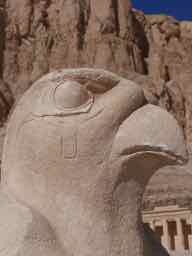 By S.G. Kazolias. Ask someone who has just returned from a Nile cruise or a resort in the Red Sea, just how dire Egyptians are and you will probably get a blank look and “huh?”. It is easy for tourists to travel to Egypt without seeing the country they are visiting. Tourists on a Nile cruise are taken by bus from the ship to a temple or shops and back and never venture into the poor streets of a country in crisis:
 KazoDaily