Stuttgart, Germany. January 31, 2025. By S.G. Kazolias
German Lawmakers held a riotous debate over immigration on January 31 which was more reminiscent of parliamentary mayhem in Paris or Rome rather than the well-disciplined Bundestag. Tempers are running high in Germany. The country is deeply divided.
Germany goes to the polls on February 23, at the height of the Carnival: the Catholic festival of partying, heavy drinking and debauchery. Usually, the clowns and monsters are reserved for the parades and beer halls. But the election campaign at the end of January brought the clown world to the fore where lawmakers were yelling, shouting, huffing and puffing, over immigration and whether or not it is ‘Catholic‘ to accept the votes of the ‘extreme right.’
The Left Cries Foul
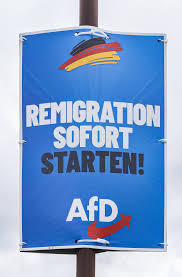
The conservative CDU, and its CSU Bavarian allies, angered the left when a non-binding resolution on the idea of a bill to restrict immigration passed on January 29 with the support of the hard right, nationalist, AfD, a sovereigntist and anti-immigration party. Critics accuse CDU leader, Friedrich Merz of taking down the ‘Firewall consensus’ to sideline the far right. The AfD were over joyed at what they see as a win for their side.
It doesn’t help that the left leaning parties, for the exception of the new Sarah Wagenknecht Movement, BSW, 1 are opposed to stricter laws blocking illegal immigration, which would also run counter to EU legislation and directives.
Friedrich Merz said, during the debate on the new law, which began January 31, that he regrets the motion passed two days earlier with the support of the AfD but defended the Bill as necessary, no matter who votes for it. The AfD were thrilled.
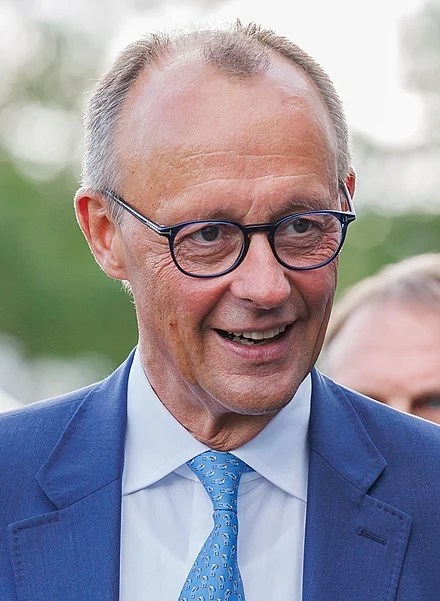
Merz accused Olof Scholz and his outgoing coalition government of being responsible for the present situation which he describes as dangerous for the security of the German people.
With the ‘Firewall’ tumbling, even the former Chancellor, Angela Merkel, condemned the leader of her CDU party and candidate to become the next German Chancellor. As Chancellor, Merkel is credited by many as opening the floodgates of illegal immigration in the summer of 2015, when Germany alone received over a million ‘asylum seekers,’ after she said she would take them in. Between 70% and 80% of those migrants were young, single, often fighting age, males and all too often purely economic refugees.
The large influx of migrants, initially well received, rapidly turned into culture shock for many despite German efforts to house and coral them. The arrival of a further 1.2 million Ukrainians since 2022 further exacerbated tensions. However, the big problem concerns non-European migrants who have been stigmatized by Muslims who carried out terror attacks in the country.
The CDU are fighting to keep their voters from deserting to the AfD in these elections, following a series of recent attacks by migrants. They are taking a tougher stand on immigration, much closer to what the AfD has been advocating. So far, this has not stopped the AfD from rising in the polls.
There may not be enough time for the Bill, called the ‘Influx Limitation Law,’ to pass both houses before the election. But the fiery debate is putting wind in the sails of the AfD and their progam.
Conscious Effort to Paint the AfD with Tar
The AfD are currently polling at around 23% despite efforts by the media and the mainstream parties to stigmatize the AfD as “Extreme Rightwing Radicals” and “neo-Nazis.” Because of their tough talk on immigrants the left calls them “racists.” The AfD are accused of euro-skepticism because they want to end what they consider over-reach from Brussels which earned them the support of farmers last year. They promote identity politics and call for the defense of German culture and traditions.
Opponents also call the AfD “pro-Russian” and “pro-Putin” because they want to stop arming Ukraine and force them to negotiate with Moscow. They want to buy Russian gas again which is much cheaper than the American gas they are now forced to import. They believe the EU and Brussels have been given too much power. Many in the AfD want to distance themselves from NATO and oppose NATO expansion.
Perhaps one of the most contentious positions of the AfD is a call for mass deportations. The CDU has also taken up the complaint there are too many illegal migrants who are not returned to their countries of origins but has stopped short of calling for “massive deportations.”
When the Media and Courts Weigh In
Documentaries on Germany’s Nazi past, a daily occurrence in the best of times, have increased with AfD’s poll showings. TV debates where all guests strive to explain how “Nazi” the AfD is have not slowed its ascent. Debates in which the AfD is rarely invited.
The German secret police investigated the AfD and labeled them “extremist.” There is also an ongoing attempt to get the German High Court to ban the AfD as a ‘radical extremist’ party‘ working outside the country’s Constitution. Court’s have condemned AfD members for statements such as “Everything for Germany” or “Germany First” because, they say, those calls echo illegal Nazi slogans from the 1930s.
The AfD is expected to come in second place in the proportional legislative elections on February 23, with the ruling social democrats of the SPD and the Greens lagging far behind, and their FDP pro-business partners totally eliminated from Parliament. As it stands, there will be no clear majority, and a new coalition will have to be formed. The question is whether the AfD will be given a role or whether the Firewall will be re-erected?
The Damage is Done
It was the latest terrorist attack in Aschaffenburg on February 22, by a 28-year-old Afghan who killed two people, including a two-year-old, that sparked the CDU/CSU to act in the Bundestag with less than a month to go until polling. The murderer had been ordered to leave the country in 2023. The public outrage in Bavaria sparked the Bavarian CSU to push the CDU leader, Friedrich Merz, to introduce the Bill at the Bundestag. This was just what the AfD needed to break its isolation.
The Bavarian attack followed one by a 50-year-old Saudi doctor who drove his car into a Christmas Market in Magdeburg in December killing six people and injuring over 200. There has been a string of attacks by migrants in recent years sparking a growing wave of anti-immigrant sentiment.
To make matters worse for mainstream parties like CDU, Greens and SPD, is that the unemployment figures released January 31 are the worst in over ten years, at 6.4%. This can be linked to a sharp fall in the German economy and an exodus of industry due to the war in Ukraine which ended Germany’s access to cheap energy. Another argument which will give the AfD a shot in the arm.

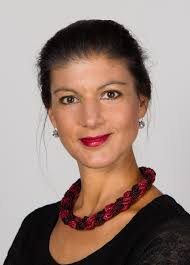
- Sarah Wagenknecht quit the leftist Die Linke and formed her own party in September 2O23, the Sarah Wagenknecht Alliance, the BSW, named after herself, and is now polling higher than the party she left although neither, at the moment, are sure to reach the 5% threshold needed to enter parliament. She is considered a leftwing populist and has much in common with the AfD on the surface. She is not only opposed to NATO expansion but to NATO itself. She wants to end aid to Ukraine and force them to negotiate. She opposes immigration which she sees as unfair competition to German workers, a source of social unrest, and a drain on resources needed for the German people. She is outspoken against EU dictates and wants greater sovereignty from the United States while building warmer relations with Russia. ↩︎
 KazoDaily