Stuttgart, Germany: by Socrates George Kazolias.
Germany’s right wing Alternatif für Deutschland, AFD, made strong showings in the eastern German states of Thuringia, first place with 33%, and Saxony, one point behind the conservative CDU, on September 1, as was expected. Although these were state elections, their consequences are shaking the country’s foundations.
Of Mice & Elephants
This electoral earthquake comes just eleven years after the AfD was founded. Originally Euroskeptics who wanted Germany out of the Euro but has now expanded into an anti-immigration and cultural identitarian party, also opposed to financing the war in Ukraine, which they blame for the downturn in Germany’s economy & provoking the recession in 2023.
The two states in the former DDR, ‘annexed’ by West Germany in 1990, don’t count for much economically (about three percent of Germany’s GDP combined), nor demographically (around seven percent of Germany’s population of 84 million people).
But there are lessons to be learned from the September 1 ballot. The ruling parties, the social democrats of the SDP, the ecology Greens and the small business and independent professionals’ FDP, were never strong in the former DDR but have lost even more ground, reflecting their low polling throughout Germany.
The Conservatives of the CDU and their allies in the Bavarian CSU have slid far to the right over the past few years, trying to take votes away from the AFD by calling for more deportations of illegal migrants and tougher measures against criminals, further controls at the borders and so forth. Germans, it appears, remember that it was their Chancellor, Angela Merkel, who opened the flood gates to illegal migrants under the guise of helping ‘refugees’ in 2015?
The knife attack in the western German town of Solingen by a 26-year-old Syrian asylum-seeker who killed three and injured eight one week before Sunday’s vote certainly did give the AFD’s arguments a boost. Last minute measures by the Federal government promising to impose stricter measures on asylum seekers, to increase deportations as well as impose a ban on carrying knives in public, including simple pocket knives, wasn’t enough to prevent the ‘anti-establishment‘ surge in the east.
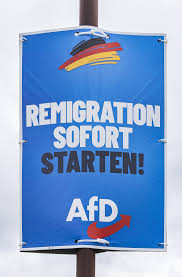
While it is true the states of the former DDR have been much more hostile to the agenda from Brussels and those known as ‘globalists’ than their fellow Germans in the west, the AFD is nevertheless polling at between 18% and 20% throughout the country. This may explain why the conservatives have not forced the ruling coalition government to call for new elections even though they have the support of only 30% of eligible voters.
Time for Snap Elections?
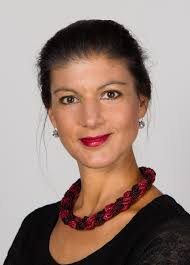
The problem new elections would pose can be seen in Saxony and Thuringia. The conservatives will have to rally with other parties if they intend to form a majority coalition, yet all have said they will not rule with the AfD. The only way a majority coalition can be formed in the two states, it seems, is if the CDU unites with leftists, including the hard leftists of Die Linke, and its break-away comrades of the brand new BSW, (named after its leader Sahra Wagenknect, an east German herself1) which scored even better Sunday. Otherwise, they will have to rule as a minority government.
The hard left BSW is against financing the Ukraine War, denounces NATO expansion and accuses the government of kowtowing to the Americans, and are hostile to massive immigration which are factors that led to its split from Die Linke in January, this year.

The president of the AfD Bundestag group, Alice Weidel, says, “the CDU would rather have a coalition with the BSW and Die Linke, although 70% of their members in the east want a coalition with the AfD.”
The CDU repeated the day after the elections that they will not ally with the left and that the social democrats of the SDP are their privileged partners for any future coalition.
New federal elections could well lead to greater instability with a much stronger representation for the AfD and a major breakthrough for the newcomers of the equally populist BSW.
The mainstream blame anti-immigrant anger for the eastern regions’ poor economies. They say investors and skilled foreigners refuse to set up in such a hostile environment. They blame East German “racism” for their economic plight. Thirty-five years after West Germany’s takeover, the economies of the former DDR still lag far behind the west.
If polls are anything to go by, it would seem those arguments demonizing the AfD, and the East Germans themselves, are not winning the day, neither in the east, nor nationally.
State Elections with Federal Implications
The traditional leftists, especially in western Germany, are furious with Wagenknecht who they blame for the collapse of Die Linke, not only in the east, but throughout the country. They argue the BSW, like the AfD, campaigned on issues which only the Federal government handles and not the states such as the war in Ukraine and immigration. However, it can also be argued that voters used the state elections to voice their concerns on such issues as well as the economy and Europe.
In both states, no majority is possible if the conservatives form a coalition with only the SPD and Greens, having ruled out any alliance with the AfD or the leftists. This is possible. Thuringia was ruled these past five years with a minority coalition.
It is highly unlikely that the AfD will attempt to form its own government in these states as they have the universal opposition of the other parties in both state parliaments.
Of the traditional parties which have ruled Germany for the past 50 years, only the CDU/CSU maintain any pretense of strength nationally although they have lost voters to the AfD and other ‘anti-globalist’ and anti-immigration formations, including in their Bavarian stronghold.
What Sunday’s results highlight is the deep divisions in Germany over national, EU and international questions and a majority rejection of the policies of the ruling coalition. Below are some of the factors which led to an AfD landslide:
- the consequences of the country’s economic tailspin due to the war in Ukraine which ended access to cheap Russian fossil fuels;
- a rejection of the massive arrival of foreign, frequently hostile, cultures made up predominantly of unskilled, fighting-age, often illiterate, males;
- the perceived increase in criminality blamed on the migrants;
- the belief Germany is spending too much to prop up highly indebted EU economies, such as Italy and France;
- the belief there is EU over-reach with the imposition of rules and regulations by unelected technocrats in Brussels, etc.
There is no question that, at least since the massive migrant influx in 2015, and especially with the economic downturn provoked by the Ukraine war, these arguments have gained substantial momentum. The ‘fear mongering’ of branding the AfD as modern day “Nazis” is no longer enough to turn voters away from the ‘upstarts’ and frighten them back to the mainstream fold.
How long can Chancellor Olof Scholz hold out before he is forced to call new elections for the Bundestag? The results on September 1 can only increase pressure to do so.


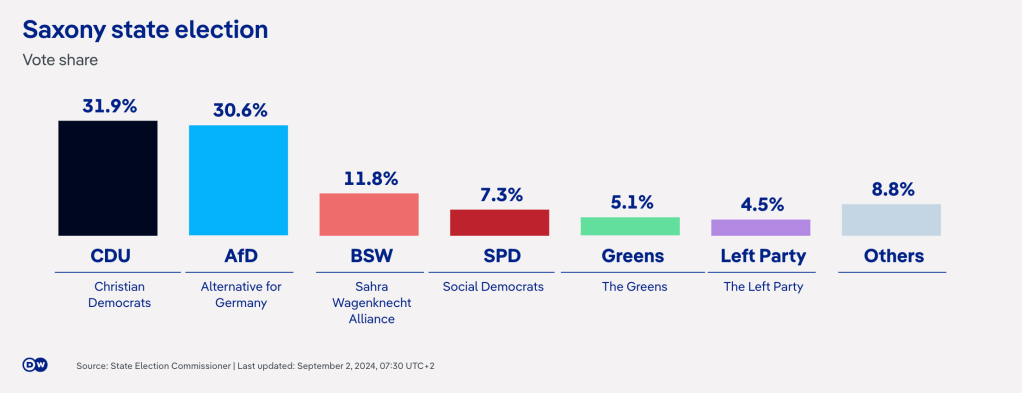

The above images are screenshots from Deutsche Welle which got them from the German State Election Commissioner.
Please leave a comment and share with others if you agree. You can support my reporting by buying me a coffee or a glass of wine at paypal.me/SocratesGeorge
- Sahra Wagenknecht’s party is worth a paper on its own. BSW scored much better than Die Linke which it broke away from over questions on immigration, the Ukraine War, NATO etc. This shows that many on the left also support themes dear to the AfD without considering themselves either populist or nationalist. ↩︎
 KazoDaily